Top 100 Greatest Music Albums
by telegram 
- Chart updated: 08/11/2026 12:15
- (Created: 09/30/2010 02:06).
- Chart size: 100 albums.


At its core, the album tells the story of Ziggy Stardust, a flamboyant, messianic figure who arrives on Earth in its final five years of existence. Ziggy offers hope to a collapsing world, embodying both utopia and decadence, but eventually succumbs to his own excesses and is destroyed by the very forces he sought to control. This arc crystallizes the album’s central themes: the dangers of fame, the tension between salvation and self-indulgence, and the fragility of identity. What makes this conceptual structure so luminous is Bowie’s fusion of narrative, sound, and persona into a seamless artistic whole.
Musically, Ziggy Stardust is remarkably cohesive, blending glam swagger with pop accessibility and hard rock intensity. Mick Ronson’s guitar work gives the record its muscular backbone, simultaneously gritty and melodic, while Trevor Bolder and Mick Woodmansey anchor the Spiders from Mars with rhythmic precision. Bowie himself moves effortlessly between haunting balladry and raw theatricality, uniting the diverse textures under his charismatic vision. Each track contributes to the broader narrative but also stands strong on its own, ensuring the album never collapses under its conceptual weight.
The opening scene-setter immediately establishes a mood of existential crisis, projecting the apocalyptic landscape against which Ziggy will rise. Songs like Moonage Daydream and Starman then unveil the character’s mythology, painting Ziggy as both alien messiah and symbol of liberated sexuality. In Starman, especially, Bowie captures the sense of teenage yearning and hope that became the essence of Ziggy’s appeal. Later, tracks such as Ziggy Stardust and Suffragette City cement the glam rock ethos, dripping with attitude and swagger while simultaneously hinting at Ziggy’s unraveling. Finally, Rock ’n’ Roll Suicide offers a cathartic finale, dramatizing the character’s collapse in soaring emotional terms.
What makes this album tower above nearly all other concept albums is its ability to transcend its own framework. Many conceptual records lose potency in their service to a story, but Ziggy Stardust achieves the opposite: the narrative deepens the music without constraining it. Bowie created not just a character but a fully inhabited universe, one that engaged listeners on multiple levels—emotional, intellectual, and performative. In doing so, he turned the rock album into a work of total theater, where sound and persona existed as inseparable dimensions of the art.
Critically, the album cemented Bowie as a visionary: an artist unafraid to deconstruct pop conventions and rebuild them in ways that were both provocative and captivating. Decades later, it retains its freshness because its themes—alienation, fame, gender fluidity, apocalypse—still resonate profoundly. Few albums can so completely define a moment in culture while continuing to inspire generations afterward.
For these reasons, The Rise and Fall of Ziggy Stardust and the Spiders from Mars endures as a landmark of rock history and, arguably, the most brilliant conceptual album ever created—a dazzling marriage of story, sound, and spectacle that reinvented what an album could be. [First added to this chart: 11/12/2021]


This album stands out as a pioneering work in its unapologetic exploration of taboo subjects like drug addiction, prostitution, sadomasochism, and sexual deviancy. Lou Reed’s lyrics draw from literature and urban reality rather than pop conventions, offering confessional and voyeuristic glimpses into dark, often uncomfortable worlds. Tracks like “Heroin” deliver a visceral narrative of addiction's highs and lows, while “Venus in Furs” dives into BDSM themes with a haunting electric viola underpinning, courtesy of John Cale’s avant-garde influence. The album melds these heavy topics with melodies and soundscapes that are at once primitive and sophisticated, making the music accessible yet uncompromising.
Musically, The Velvet Underground & Nico is a collaboration that balances Reed's songwriting and vocal delivery with the experimental textures of John Cale’s viola and electric piano, the steady rhythm section of Sterling Morrison and Maureen Tucker, and Nico’s ethereal yet detached vocal contributions. Nico’s presence adds contrast and a haunting beauty on key tracks such as “Femme Fatale” and “I’ll Be Your Mirror,” highlighting tensions between innocence and grit. The production approach, influenced by producer Tom Wilson and guided artistically by Andy Warhol, emphasizes a raw, stripped-down sound that complements the album's gritty subject matter and avant-garde leanings.
Thematically, the album is an artistic statement about urban life’s darker dimensions, mixing real-world grit with an artistic, almost dadaist sensibility. It captures a significant cultural moment linked to Warhol’s Factory scene, reflecting the intersection of visual art, music, and underground culture. Despite initially underperforming commercially and polarizing critics, the album grew into an icon revered for its artistic bravery and innovation. Brian Eno famously remarked that although it sold roughly 30,000 copies in its early years, "everyone who bought one of those 30,000 copies started a band," underscoring its profound influence.
What makes this album a masterpiece is its combination of raw musical experimentation, bold lyricism, and art-world context that challenged and expanded what popular music could address. It blends the rebellious spirit of rock with artistic avant-gardism, achieving a delicate balance of accessibility and provocation. The Velvet Underground & Nico is not just a music album but a cultural milestone that shaped punk, post-punk, noise rock, goth, shoegaze, and indie scenes for decades after its release.
In summary, The Velvet Underground & Nico is both a musical and conceptual revelation—a fearless exploration of society’s fringes, wrapped in an experimental rock framework and crowned with Andy Warhol’s pop art sensibility. It remains an essential, deeply influential album celebrated for its raw honesty, pioneering sound, and enduring cultural impact. [First added to this chart: 09/29/2010]
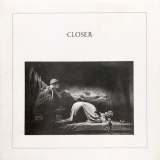
The album’s sonic landscape is marked by an ethereal quality that envelops the listener in a ghostly, almost sacred atmosphere. This effect is largely the result of producer Martin Hannett’s visionary approach, who used innovative studio techniques such as abundant reverb and spatial placement of instruments to create a spacious, immersive sound. The recording was made in a chapel-like studio space, further enhancing the album’s reverberant and otherworldly aura. The music combines moody synthesizers, melodic bass lines by Peter Hook, precise yet moody drumming from Stephen Morris, and Bernard Sumner’s textured guitars and keyboards, all woven into an atmospheric tapestry that feels introspective and haunting.
At the heart of Closer, however, is Ian Curtis’s voice—evocative, intense, and transcendent. Curtis’s vocal delivery is raw yet hauntingly beautiful, carrying the full weight of the album’s themes of despair, isolation, and existential pain. His deep, sonorous voice, often delivered in a near-monologue style, conveys a profound sense of urgency and vulnerability that grips the listener. Songs like “Atrocity Exhibition” and “Isolation” showcase his ability to oscillate between controlled melancholy and bursts of emotional intensity, making his voice an instrument of sheer emotional power that elevates the music to a deeply personal level.
Lyrically, Closer presents a poetic exploration of internal struggles and human suffering, with Curtis often reflecting on themes of death, alienation, and the search for meaning. The album’s cover, featuring a photograph of an ornate grave in a Genoese cemetery, visually encapsulates the somber and contemplative nature of the music. This imagery and the lyrical content intertwine to create a cohesive statement on mortality and emotional darkness.
Critically, Closer is praised for its unprecedented melding of post-punk’s raw energy with sophisticated soundscapes and poetic depth. Martin Hannett’s production turned the band’s musical ideas into a meticulously crafted, mysterious world, while Curtis’s vocal presence makes the album feel like a personal testament. The combination of ethereal, spacious sound zones with Curtis’s overpowering emotional delivery results in a listening experience that is as haunting as it is beautiful.
In conclusion, Closer by Joy Division remains a towering achievement distinguished by its ethereal sound and the overwhelming vocal presence of Ian Curtis. It is an album that captures the tragic beauty of human vulnerability through a unique blend of sparse yet rich musical textures and a voice that resonates with raw emotional force. As a cornerstone of post-punk and a deeply moving work of art, Closer continues to influence and move listeners across generations. [First added to this chart: 09/29/2010]

Sonically, Unknown Pleasures is characterized by its minimalist yet richly textured instrumentation. Hannett’s production brought a distinctive atmospheric quality that emphasized space and separation between instruments, creating an eerie and spacious soundscape. The bass by Peter Hook carries the melodic line with a compelling, hypnotic presence, while Bernard Sumner’s guitar adds angular, minimalist riffs that dwell in the subtle gaps rather than dominating the mix. Stephen Morris’s drums maintain a precise, almost mechanical rhythm that reinforces the album’s tense and icy mood. Synthesizers are used sparingly but effectively, adding a layer of unsettling texture without overshadowing the core rock elements.
At the center is Ian Curtis's vocal style, which is deeply emotive and haunting. His voice carries a mix of vulnerability and intensity, delivering lyrics that explore themes of alienation, inner turmoil, and impending collapse. Unlike typical punk vocals, Curtis’s style is more measured and baritone, sometimes monotone, evoking a sense of detached desperation that amplifies the album’s emotional weight.
Lyrically, Unknown Pleasures ventures into dark territory, conveying fragmented images of confusion, despair, and yearning without offering clear narrative explanations. This poetic ambiguity, combined with Curtis’s stark delivery, invites listeners into an introspective landscape that feels both personal and universal. Songs such as “Disorder” and “New Dawn Fades” exhibit the band’s ability to blend urgent, even danceable rhythms with a profound sense of melancholy and existential dread.
Unknown Pleasures was initially a departure from the raw energy and aggression of punk, embracing a moodier, more sophisticated sound that redefined what post-punk could be. While the band initially expressed some reservations about Hannett's spacious, reverb-heavy production, they later acknowledged how it helped distinguish their sound and create a timeless record. The album's iconic cover art, featuring a pulsar waveform visual, complements the music’s scientific yet haunting aura, adding to its cultural resonance.
In hindsight, Unknown Pleasures is praised not only for its artistic innovation but also for its influence on countless artists and genres, from gothic rock to alternative and indie music. It is seen as a deeply atmospheric debut that introduced a new sonic vocabulary characterized by emotional depth, stark minimalism, and haunting beauty.
In summary, Unknown Pleasures stands as a landmark debut album, remarkable for its minimalist, atmospheric sound and Ian Curtis’s powerful, haunting vocals. It captures an intense emotional and sonic world that remains profoundly affecting and influential, representing one of the greatest and most unique achievements in post-punk music history. [First added to this chart: 09/29/2010]

Musically, Bossanova features a cleaner production style compared to the rawer edge of earlier Pixies records like Surfer Rosa and Doolittle. Producer Gil Norton helped the band achieve a more spacious, modernist sound that highlights intricate guitar riffs, steady bass grooves by Kim Deal, and dynamic drumming. Joey Santiago delivers some of his finest guitar leads on this album, contributing to its distinctive sonic identity. The album opens with the instrumental "Cecilia Ann," a surf-rock cover transformed with spacey and sci-fi flourishes, setting the tone for the record's subtle playfulness.
Vocally, Frank Black exhibits a range from gritty rockers like "Rock Music" to more melodic and haunting performances on tracks such as "Velouria," which became one of the album's standout singles. The lyrics adopt a playful yet mysterious vibe, often touching on odd characters and sci-fi-inspired narratives, including intergalactic communication and fantastical landscapes, giving the record a cohesive but imaginative theme.
Critically, Bossanova garnered mixed reactions. While some viewed it as a slight step back from the groundbreaking nature of Doolittle, others appreciated its crisp production and melodic strengths. The album contains high points like "Velouria" and "Dig for Fire," which reveal the band’s ability to craft catchy hooks alongside abrasive energy. However, some critics and fans felt parts of the album seemed less inspired, reflecting internal band tensions and Kim Deal’s growing focus on her side project, the Breeders.
Despite these critiques, Bossanova holds an important place in Pixies’ discography, bridging their raw earlier works and the more expansive sounds of their subsequent album Trompe Le Monde. It stands as an album where Pixies embraced a looser, spacey vibe while interlacing their signature loud-quiet dynamics with a sci-fi rock aesthetic.
In summary, Bossanova is a distinct and interesting chapter for the Pixies, marked by its polished production, sci-fi surf influences, and a balance of edgy rock and melodic charm. While not unanimously praised as their best, it remains a strong and creative record that reflects the band’s evolving artistry and continued influence on alternative rock music. [First added to this chart: 09/29/2010]

Safe Mode: On Certain images on this site may contain sensitive content and are flagged as 'unsafe'. BestEverAlbums.com does not display these images by default, but you may choose to show or hide these images from your profile page. If you choose to hide these images, you'll see an image with a warning message instead of the actual image. If you choose to show them, you'll see these images no differently than regular (safe) images.
Musically, Nevermind is defined by its dynamic loud-quiet-loud structure, a pattern inspired by bands like the Pixies but transformed into Nirvana’s signature sound. The album combines distorted, powerful guitars with melodic basslines and precise drumming, creating a sonic tension that underpins Kurt Cobain’s anguished and often cryptic vocals. The band deftly balances abrasive energy and catchy hooks across the album, producing tracks that are both radio-friendly and emotionally gritty.
The opening track and breakout single, “Smells Like Teen Spirit,” encapsulates the album’s impact. With its iconic riff and explosive chorus, it became a generational anthem, expressing teenage frustration and apathy in a way that resonated worldwide. Other notable songs like “Come as You Are,” “Lithium,” and “In Bloom” continued to explore themes of identity, alienation, and inner turmoil, all delivered with Cobain’s unique blend of vulnerability and raw intensity.
One striking feature of Nevermind is its emotional complexity. While often misinterpreted as straightforward rebellion, the lyrics reveal a deeper ambivalence filled with sarcasm, confusion, and pain. Songs such as “Polly” confront difficult subjects like violence and trauma with stark directness, while “Something in the Way” offers a haunting, stripped-down moment reflecting despair and isolation. The album reveals not just rage but also fragility and introspection, which helped define its lasting emotional appeal.
Butch Vig’s production brought clarity without sacrificing aggression, making the album’s sound punchy yet accessible. Dave Grohl’s thunderous drumming and Krist Novoselic’s steady bass provided a powerful backbone to Cobain’s jagged guitar textures and distinctive vocal delivery. This combination made each song feel impending and immediate, creating a record that is both chaotic and meticulously crafted.
The cultural significance of Nevermind cannot be overstated. It dethroned the polished and extravagant hair metal scene that dominated the late 1980s, igniting a global fascination with grunge’s rawer, more relatable sound and aesthetic. The album’s success propelled Nirvana to superstardom, with Cobain dubbed the “voice of a generation.” This shift allowed alternative bands to gain widespread attention and inspired an entire generation of musicians and fans.
In conclusion, Nevermind is a landmark album that blends raw emotion, musical innovation, and cultural impact. Its gritty yet melodic sound, combined with Kurt Cobain’s powerful songwriting and vocals, captured the complexity of youth in the early ’90s. Over three decades later, it remains a timeless classic that changed rock music forever and continues to influence artists and listeners worldwide. [First added to this chart: 02/04/2011]

Musically, The Black Parade balances punk energy, classic rock influences, and baroque theatrics. The album opens with “The End.” and “Dead!,” which set the tone with driving guitars, energetic drumming, and Gerard Way’s charismatic vocals. The title track, “Welcome to the Black Parade,” is its centerpiece and arguably one of the greatest rock anthems of the 21st century. It moves from a haunting piano intro into an explosive, stadium-ready chorus with marching band-inspired percussion, capturing the grandeur and emotional weight of the story’s central metaphor.
The album’s narrative arc is compelling and cohesive, taking listeners through stages of reckoning, regret, defiance, and hope. Songs such as “Cancer” and “I Don’t Love You” explore vulnerability and loss with tender lyricism and emotive performances. “Mama” stands out for its cabaret-like theatricality and intense emotional delivery, depicting a soldier grappling with mortality and guilt. Throughout the album, there is a tension between despair and perseverance, culminating in the hopeful anthem “Famous Last Words,” which became a rallying cry for resilience and survival.
Gerard Way’s vocal performance ranges from raw and impassioned screams to melodic and heartfelt passages, embodying the character’s emotional journey with authenticity and drama. The instrumentation by Frank Iero and Ray Toro on guitars, Mikey Way’s bass, and Bob Bryar’s dynamic drumming complement this vocal range with a versatile mix of punk urgency, melodic rock, and theatrical flourishes.
The album’s production emphasizes clarity and polish while preserving the energy and emotion, lending a cinematic quality to the listening experience. The theatricality of The Black Parade extends beyond the music into the band’s imagery and live performances, reinforcing its status as a modern rock opera.
Critically acclaimed and commercially successful, The Black Parade solidified My Chemical Romance as one of the era’s most influential bands. It challenged stereotypes of emo music by combining deep conceptual storytelling with bold musical ambition. The album resonated strongly with fans, many of whom connected with its themes of mortality, identity, and redemption.
In summary, The Black Parade is an ambitious and emotionally resonant concept album that seamlessly merges punk rock energy with theatrical storytelling. It stands as My Chemical Romance’s defining work, offering a rich and dramatic exploration of life’s ultimate journey, delivered through memorable melodies, powerful performances, and an indelible cultural legacy. [First added to this chart: 01/25/2024]

Musically, the album moves away from the raw funk-driven sound that characterized their earlier efforts, embracing a more polished yet dynamic fusion of alternative rock, melodic pop, and subtle funk grooves. The production by Rick Rubin emphasizes clarity and spaciousness, allowing Flea’s intricate basslines to weave through the songs alongside Frusciante’s signature layered guitar riffs. Drummer Chad Smith provides solid, nuanced rhythms that support the emotional weight of the album without overpowering it. This balance creates a sound that feels both expansive and intimate.
Thematically, Californication delves into darker and more complex subject matter than previous albums. The lyrics explore themes such as the discontents of Hollywood culture, addiction, death, and globalization, offering both critique and reflection. The title track, “Californication,” stands out as a poignant meditation on the superficiality and decay beneath the Californian dream, while “Otherside” and “Scar Tissue” explore personal struggles with addiction and recovery. Anthony Kiedis’s vocal delivery throughout ranges from contemplative softness to passionate urgency, perfectly matching the emotional currents of the songs.
Several tracks highlight the band’s ability to blend catchy melodies with deep emotional resonance. “Scar Tissue” won a Grammy and remains one of their most enduring hits, featuring an unforgettable guitar solo by Frusciante that underscores the song’s themes of pain and healing. “Around the World” and “Parallel Universe” inject energy and vibrant rhythms, showcasing the band’s continued mastery of funk and rock interplay.
Despite some criticisms that Californication represented a less aggressive and more mainstream approach, the album’s artistic cohesion and reflective tone resonated with both longtime fans and new listeners. It marked a successful comeback for the band after a turbulent period marked by lineup changes and personal challenges, firmly re-establishing them in the rock pantheon.
Californication also became one of the band’s best-selling albums, with over 15 million copies sold worldwide, reflecting both its broad appeal and enduring influence. Its combination of innovative musicianship, mature songwriting, and polished production created a blueprint for alternative rock at the turn of the millennium.
In summary, Californication is a milestone album that balances introspection and musical sophistication with the Red Hot Chili Peppers’ signature energy and funk-infused style. It captures the band at a point of artistic renewal, producing songs that are both accessible and deeply meaningful. The album remains a vital part of their legacy and a defining record of late 1990s rock music. [First added to this chart: 02/04/2011]
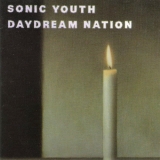
Musically, Daydream Nation is a dense tapestry of dissonant guitars, intricate melodic interplay, and complex rhythms. Guitarists Thurston Moore and Lee Ranaldo weave layers of feedback, unusual tunings, and innovative textures, creating a soundscape that is at times abrasive yet also richly harmonic. The rhythm section, anchored by Kim Gordon's bass and Steve Shelley's dynamic drumming, provides a steady but flexible foundation, allowing the guitars to explore chaotic and beautiful territories. The album’s production captures this intensity while preserving a live, organic feel.
The album opens with “Teen Age Riot,” a track that encapsulates Daydream Nation’s blend of accessibility and experimental edge. The song’s anthemic quality, underscored by memorable riffs and an uplifting chorus, embodies a call to arms for the underground music scene, celebrating youthful rebellion with a sense of hope and purpose. Across the album, Sonic Youth balance structured songs with sprawling, improvisational jams such as “The Sprawl” and “Eric’s Trip,” which transition from brooding verses into waves of distorted noise and musical release.
Lyrically, Daydream Nation reflects a blend of surrealist imagery, social commentary, and introspection. Kim Gordon’s vocals deliver understated yet defiant lines, while Thurston Moore’s more cryptic lyrics invoke feelings of confusion and yearning. Themes range from alienation and disorientation in modern society to personal reflection, often expressed through fragmented, poetic language that complements the album’s sonic experimentation.
Critically, Daydream Nation is praised for its boldness and innovation, influencing countless alternative and indie artists. Its length and complexity make it a challenging listen, but one rich with reward — its sonic experiments demand attention while its melodic moments provide emotional connection. The closing trilogy of songs showcases the band’s ferocity and cohesion, with “Z) Eliminator Jr.” delivering an explosive finale of chaotic guitar and driving rhythm.
Daydream Nation not only cemented Sonic Youth’s reputation as pioneers of experimental rock but also helped expand the boundaries of what rock music could express both sonically and artistically. It bridges the rawness of punk with the adventurous spirit of avant-garde music, resulting in a timeless work of passion and sonic exploration.
In summary, Daydream Nation remains an essential album that captures the restless energy and creative daring of Sonic Youth. Its combination of intricate guitar work, emotional depth, and fearless experimentation make it a defining moment in alternative rock history and a lasting influence on generations of musicians and listeners. [First added to this chart: 09/29/2010]

Musically, the album relies on the surgical interplay between the guitars of Kapranos and Nick McCarthy, whose interlocking lines trade off between rhythmic chords and biting leads. This guitar work is locked tight with the driving, dance-floor-oriented rhythm section of bassist Bob Hardy and drummer Paul Thomson. Lyrically, Kapranos dissects urban romance, nightlife dynamics, social tension, and courtship with a refined sense of irony and art-school charm. The record's defining breakthrough came with its second single, "Take Me Out," a track famous for its dramatic structural shift midway through—dropping from a fast-paced post-punk sprint into a heavy, stomping, irresistible groove that became one of the most iconic moments in alternative rock history. Yet the album extends far beyond its flagship hit: opening track "Jacqueline" demonstrates sophisticated songwriting with its acoustic-to-electric tempo transition, "The Dark of the Matinée" pairs social satire with an infectious chorus, and "Michael" serves as an audacious, danceable celebration of male attraction on the dance floor.
The commercial and critical impact of the album was immediate and widespread. It earned the band the prestigious 2004 Mercury Prize, multiple Brit Awards, and several Grammy nominations, proving that guitar music could seamlessly dominate both chart-topping lists and dance clubs worldwide. Complementing the musical output was the band’s striking visual identity, heavily influenced by Russian Constructivism and early 20th-century avant-garde art, which gave their releases a cohesive, stylized aesthetic. Over two decades after its release, Franz Ferdinand’s debut retains all of its original urgency, elegance, and infectious bounce. It stands not only as a defining artifact of the 2000s UK indie explosion, but as a masterclass in fusing the sharp edge of post-punk with the euphoria of pop and dance music. [First added to this chart: 08/31/2023]
Top 100 Greatest Music Albums composition
| Decade | Albums | % | |
|---|---|---|---|
| 1930s | 0 | 0% | |
| 1940s | 0 | 0% | |
| 1950s | 0 | 0% | |
| 1960s | 4 | 4% | |
| 1970s | 13 | 13% | |
| 1980s | 30 | 30% | |
| 1990s | 24 | 24% | |
| 2000s | 20 | 20% | |
| 2010s | 4 | 4% | |
| 2020s | 5 | 5% |
| Artist | Albums | % | |
|---|---|---|---|
|
|
|||
| Pixies | 5 | 5% | |
| Pink Floyd | 5 | 5% | |
| Bauhaus | 4 | 4% | |
| Suede | 3 | 3% | |
| Joy Division | 3 | 3% | |
| U2 | 2 | 2% | |
| Nirvana | 2 | 2% | |
| Show all | |||
| Country | Albums | % | |
|---|---|---|---|
|
|
|||
 |
52 | 52% | |
| |
33 | 33% | |
| |
5 | 5% | |
 |
4 | 4% | |
 |
2 | 2% | |
 |
1 | 1% | |
 |
1 | 1% | |
| Show all | |||
Top 100 Greatest Music Albums chart changes
| Biggest climbers |
|---|
Up 14 from 24th to 10th |
Up 7 from 32nd to 25th |
Up 4 from 72nd to 68th |
| Biggest fallers |
|---|
Down 18 from 67th to 85th |
Down 7 from 16th to 23rd |
Down 6 from 40th to 46th |
| New entries |
|---|
Top 100 Greatest Music Albums similar charts
| Title | Source | Type | Published | Country |
|---|---|---|---|---|
| Overall Top 100 Ranked Correctly |  Mother Nature's Son Mother Nature's Son | Custom chart | 2014 |  |
| ranking the overall top 100 |  OKC1 OKC1 | Custom chart | 2016 | |
| Top 100 Greatest Music Albums | Kettwig | Overall chart | 2025 |  |
| An Objective Ranking of the BEA Top 100 | PaperVinnie | Custom chart | 2018 | |
| An Objective Ranking Of BEA'S Top 100... |  covecove covecove | Custom chart | 2017 |  |
| Top Alternative Pop/Rock Albums | nas062080 | Custom chart | 2013 | |
| My Ranking of the BEA Top 100 | wizardalien | Custom chart | 2026 | |
| BEA 100 (One Album per Artist) |  BozoTyrannus BozoTyrannus | Custom chart | 2020 |  |
| If The BEA Overall Chart Had A One Album Per Artist Rule... |  Romanelli Romanelli | Custom chart | 2025 | |
Top 100 Greatest Music Albums similarity to your chart(s)
Not a member? Creating an account is quick, easy and FREE!
Join 50,000+ music fans
- Join a community of over 50,000 music fans.
- Create & share your own charts.
- Influence the overall album rankings.
- Post comments in the forums and vote on polls.
- Comment on or rate any album, artist, track or chart.
- Discover new music & improve your music collection.
- Customise the overall chart using a variety of different filters & metrics.
- Create a wishlist of albums.
- Unlock Dark Mode and other member features.
- Help maintain the BEA database.
- Earn member points and gain access to increasing levels of functionality!
- And much more.
Join now It only takes a moment.
Top 100 Greatest Music Albums ratings
Average Rating = (n ÷ (n + m)) × av + (m ÷ (n + m)) × AVwhere:
av = trimmed mean average rating an item has currently received.
n = number of ratings an item has currently received.
m = minimum number of ratings required for an item to appear in a 'top-rated' chart (currently 10).
AV = the site mean average rating.
Showing latest 3 ratings for this chart. | Show all 18 ratings for this chart.
| Rating | Date updated | Member | Chart ratings | Avg. chart rating |
|---|---|---|---|---|
| ! | 10/28/2025 21:51 | Andras | 12 | 76/100 |
| ! | 03/12/2025 17:34 |  slatsheit slatsheit | 28 | 88/100 |
| ! | 02/24/2025 14:11 |  SomethingSpecial SomethingSpecial | 1,090 | 86/100 |
Rating metrics:
Outliers can be removed when calculating a mean average to dampen the effects of ratings outside the normal distribution. This figure is provided as the trimmed mean. A high standard deviation can be legitimate, but can sometimes indicate 'gaming' is occurring. Consider a simplified example* of an item receiving ratings of 100, 50, & 0. The mean average rating would be 50. However, ratings of 55, 50 & 45 could also result in the same average. The second average might be more trusted because there is more consensus around a particular rating (a lower deviation).
(*In practice, some charts can have several thousand ratings)
This chart is rated in the top 16% of all charts on BestEverAlbums.com. This chart has a Bayesian average rating of 87.3/100, a mean average of 86.1/100, and a trimmed mean (excluding outliers) of 88.1/100. The standard deviation for this chart is 12.6.
Top 100 Greatest Music Albums favourites
Top 100 Greatest Music Albums forum mentions
 BestEverAlbums 08/23/2026 08:00 in Chart of the day (#5413): By telegram BestEverAlbums 02/21/2026 09:00 in Chart of the day (#5230): By telegram BestEverAlbums 06/12/2025 08:00 in Chart of the day (#4977): By telegram
Top 100 Greatest Music Albums comments
Top Comments First | Newest First | Positive Sentiment First | Longest Comments First
(Showing comments with any number of votes. Manage Profile)
Although we only have 7 albums in common, I am liking what I see on this chart. Love seeing Love & Rockets get 2 entries. (Edited)
 cartoken TOP 100 COMMENTER 10/01/2010 03:53 | #15453
Very good chart! but strange selection from the 20th to the 30th.
Good mix. Love that the DK's are in there.
i want to come back and see 100 albums
Really like this chart. Some fabulous picks here (Edited)