Best Albums of the 1970s
Listed below are the best albums of the 1970s as calculated from their overall rankings in over 58,000 greatest album charts. (Chart last updated: 2 hours ago).

"This is definitely one of Bowie's best work, brilliant album. Every single song is great, really strong. After this album Bowie's singing style change forever, he learned how to use this deeper voice and this high falsetto (in a soulful way). Should be higher rated, up there in the top 5, at leas..." [+] Reply
Year of Release:
1975
Appears in:
Rank Score:
1,683
Rank in 1975:
Rank in 1970s:
Overall Rank:
Average Rating:
Comments:

"This sounds like I'm working at a sweet quaint farm. I wake up to the birds chiming and the rooster cockle-doodling, and I skip along a vast field of daisies (daisies again, why does female folk remind me of daisies all the time?), and I'm happy as can be. I bask in the sun and Vashti and I decid..." [+] Reply
-  SuedeSwede | Helpful? (Log in to vote) | +9 votes (9 helpful | 0 unhelpful)
A maximum of 5 top-voted qualifying comments are selected for each album. To provide the best experience for visitors, comments are excluded if they refer to data corrections, contain excessive profanity, are written in all caps, are non-English, are too short, consist of conversations between users, or contain lists of best tracks etc.
SuedeSwede | Helpful? (Log in to vote) | +9 votes (9 helpful | 0 unhelpful)
A maximum of 5 top-voted qualifying comments are selected for each album. To provide the best experience for visitors, comments are excluded if they refer to data corrections, contain excessive profanity, are written in all caps, are non-English, are too short, consist of conversations between users, or contain lists of best tracks etc.
Year of Release:
1970
Appears in:
Rank Score:
1,682
Rank in 1970:
Rank in 1970s:
Overall Rank:
Average Rating:
Comments:

"The most important thing to realize going into listening to this album the first couple of times is that Syd Barrett really *was* a talented songwriter, and that even without his total mental breakdown he still would have amassed a pretty decently sized following. There are quite a few melodies a..." [+] Reply
Year of Release:
1970
Appears in:
Rank Score:
1,679
Rank in 1970:
Rank in 1970s:
Overall Rank:
Average Rating:
Comments:

"Bowie dips into heavy rock. I love this album. Width of a Circle blows me away every time. All the Madmen and After All give us a little glimpse into Bowie’s mindset. With mental illness sadly stalking his family history. A lot of credit goes to Mick Ronson and Tony Visconti who arranged and prod..." [+] Reply
-  Nowhereman1965 | Helpful? (Log in to vote) | +3 votes (3 helpful | 0 unhelpful)
A maximum of 5 top-voted qualifying comments are selected for each album. To provide the best experience for visitors, comments are excluded if they refer to data corrections, contain excessive profanity, are written in all caps, are non-English, are too short, consist of conversations between users, or contain lists of best tracks etc.
Nowhereman1965 | Helpful? (Log in to vote) | +3 votes (3 helpful | 0 unhelpful)
A maximum of 5 top-voted qualifying comments are selected for each album. To provide the best experience for visitors, comments are excluded if they refer to data corrections, contain excessive profanity, are written in all caps, are non-English, are too short, consist of conversations between users, or contain lists of best tracks etc.
Year of Release:
1970
Appears in:
Rank Score:
1,674
Rank in 1970:
Rank in 1970s:
Overall Rank:
Average Rating:
Comments:

"For whatever reason Rush is not a band that I've ever felt the need to connect with and listen to until now, a relatively late phase in my musical discovery (of classic rock at least), and I am completely shocked and blown away by how good this album is (especially considering that you don't hear..." [+] Reply
-  poppmusic | Helpful? (Log in to vote) | +4 votes (4 helpful | 0 unhelpful)
A maximum of 5 top-voted qualifying comments are selected for each album. To provide the best experience for visitors, comments are excluded if they refer to data corrections, contain excessive profanity, are written in all caps, are non-English, are too short, consist of conversations between users, or contain lists of best tracks etc.
poppmusic | Helpful? (Log in to vote) | +4 votes (4 helpful | 0 unhelpful)
A maximum of 5 top-voted qualifying comments are selected for each album. To provide the best experience for visitors, comments are excluded if they refer to data corrections, contain excessive profanity, are written in all caps, are non-English, are too short, consist of conversations between users, or contain lists of best tracks etc.
Year of Release:
1977
Appears in:
Rank Score:
1,670
Rank in 1977:
Rank in 1970s:
Overall Rank:
Average Rating:
Comments:
216.

Safe Mode: On Certain images on this site may contain sensitive content and are flagged as 'unsafe'. BestEverAlbums.com does not display these images by default, but you may choose to show or hide these images from your profile page. If you choose to hide these images, you'll see an image with a warning message instead of the actual image. If you choose to show them, you'll see these images no differently than regular (safe) images.

"Water No Get Enemy is one of Fela Kuti's finest." Reply
-  JoaoMoreira | Helpful? (Log in to vote) | +2 votes (2 helpful | 0 unhelpful)
A maximum of 5 top-voted qualifying comments are selected for each album. To provide the best experience for visitors, comments are excluded if they refer to data corrections, contain excessive profanity, are written in all caps, are non-English, are too short, consist of conversations between users, or contain lists of best tracks etc.
JoaoMoreira | Helpful? (Log in to vote) | +2 votes (2 helpful | 0 unhelpful)
A maximum of 5 top-voted qualifying comments are selected for each album. To provide the best experience for visitors, comments are excluded if they refer to data corrections, contain excessive profanity, are written in all caps, are non-English, are too short, consist of conversations between users, or contain lists of best tracks etc.
Year of Release:
1975
Appears in:
Rank Score:
1,662
Rank in 1975:
Rank in 1970s:
Overall Rank:
Average Rating:
Comments:

"With the release of “Every Picture Tells A Story” Rod Stewart solidified his career as a solo artist. Faces would release one more album before Rod The Mod swaggered off to a very lucrative and sometimes maligned solo career. For everything we think about Stewart after 1974-ish, this album stands..." [+] Reply
-  Rochmon | Helpful? (Log in to vote) | +2 votes (2 helpful | 0 unhelpful)
A maximum of 5 top-voted qualifying comments are selected for each album. To provide the best experience for visitors, comments are excluded if they refer to data corrections, contain excessive profanity, are written in all caps, are non-English, are too short, consist of conversations between users, or contain lists of best tracks etc.
Rochmon | Helpful? (Log in to vote) | +2 votes (2 helpful | 0 unhelpful)
A maximum of 5 top-voted qualifying comments are selected for each album. To provide the best experience for visitors, comments are excluded if they refer to data corrections, contain excessive profanity, are written in all caps, are non-English, are too short, consist of conversations between users, or contain lists of best tracks etc.
Year of Release:
1971
Appears in:
Rank Score:
1,657
Rank in 1971:
Rank in 1970s:
Overall Rank:
Average Rating:
Comments:

"Far removed from Pink Flag. Seems like another step forward into unchartered territory after Chairs Missing. Really inventive guitar sounds, creating a unique atmosphere." Reply
-  meccalecca | Helpful? (Log in to vote) | +9 votes (9 helpful | 0 unhelpful)
A maximum of 5 top-voted qualifying comments are selected for each album. To provide the best experience for visitors, comments are excluded if they refer to data corrections, contain excessive profanity, are written in all caps, are non-English, are too short, consist of conversations between users, or contain lists of best tracks etc.
meccalecca | Helpful? (Log in to vote) | +9 votes (9 helpful | 0 unhelpful)
A maximum of 5 top-voted qualifying comments are selected for each album. To provide the best experience for visitors, comments are excluded if they refer to data corrections, contain excessive profanity, are written in all caps, are non-English, are too short, consist of conversations between users, or contain lists of best tracks etc.
Year of Release:
1979
Appears in:
Rank Score:
1,655
Rank in 1979:
Rank in 1970s:
Overall Rank:
Average Rating:
Comments:
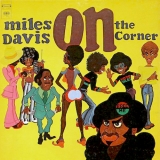
"Fucking Miles Davis. Just when you thought he'd already broken more new ground and created more timeless masterpieces than could ever be matched, he drops this piece of fusion genius, which is probably the most ambitious thing Davis ever released in his career. And I mean this is fucking Miles Da..." [+] Reply
Year of Release:
1972
Appears in:
Rank Score:
1,647
Rank in 1972:
Rank in 1970s:
Overall Rank:
Average Rating:
Comments:

"Is this the greatest country rock album of all time? There are so many nights I feel that way. The songs are simply majestic. The type of songs that make me feel like I can take on the entire world no matter what the odds. And I need that kind of music in my life. Songs that make me want to shirk..." [+] Reply
-  Repo | Helpful? (Log in to vote) | +4 votes (4 helpful | 0 unhelpful)
A maximum of 5 top-voted qualifying comments are selected for each album. To provide the best experience for visitors, comments are excluded if they refer to data corrections, contain excessive profanity, are written in all caps, are non-English, are too short, consist of conversations between users, or contain lists of best tracks etc.
Repo | Helpful? (Log in to vote) | +4 votes (4 helpful | 0 unhelpful)
A maximum of 5 top-voted qualifying comments are selected for each album. To provide the best experience for visitors, comments are excluded if they refer to data corrections, contain excessive profanity, are written in all caps, are non-English, are too short, consist of conversations between users, or contain lists of best tracks etc.
Year of Release:
1974
Appears in:
Rank Score:
1,645
Rank in 1974:
Rank in 1970s:
Overall Rank:
Average Rating:
Comments:
Total albums: 1,000. Page 22 of 100
Best Albums of the 1970s composition
| Year | Albums | % | |
|---|---|---|---|
| 1970 | 110 | 11% | |
| 1971 | 99 | 10% | |
| 1972 | 97 | 10% | |
| 1973 | 112 | 11% | |
| 1974 | 94 | 9% | |
| 1975 | 97 | 10% | |
| 1976 | 89 | 9% | |
| 1977 | 93 | 9% | |
| 1978 | 106 | 11% | |
| 1979 | 103 | 10% |
| Artist | Albums | % | |
|---|---|---|---|
|
|
|||
| David Bowie | 11 | 1% | |
| Yes | 9 | 1% | |
| Genesis | 9 | 1% | |
| Miles Davis | 8 | 1% | |
| Electric Light Orchestra | 8 | 1% | |
| Pink Floyd | 8 | 1% | |
| AC/DC | 8 | 1% | |
| Show all | |||
| Country | Albums | % | |
|---|---|---|---|
|
|
|||
 |
388 | 39% | |
 |
373 | 37% | |
 |
43 | 4% | |
 |
39 | 4% | |
 |
38 | 4% | |
 |
20 | 2% | |
 |
20 | 2% | |
| Show all | |||
If you enjoy our site, please consider supporting us by sparing a few seconds to disable your ad blocker.
A lot of hard work happens in the background to keep BEA running, and it's especially difficult to do this when we can't pay our hosting fees :(
We work very hard to ensure our site is as fast (and FREE!) as possible, and we respect your privacy.
A lot of hard work happens in the background to keep BEA running, and it's especially difficult to do this when we can't pay our hosting fees :(
We work very hard to ensure our site is as fast (and FREE!) as possible, and we respect your privacy.