Overall Chart
Listed below are the overall rankings for the best albums in history as determined by their aggregate positions in over 59,000 different greatest album charts on BestEverAlbums.com! (Chart last updated: 6 hours ago).
You can customise how this chart is generated, browse the individual charts constituting the overall rankings from The Charts page, or submit your own chart from the My Charts page!
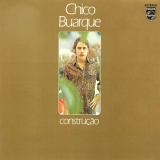

"Chico Buarque is a genius. "Construction" is exactly what he does in this album, through his words and sounds he builds whole cities only to destroy them all and start again. It leaves you helpless, small and oddly strong after being able to connect to everything he says." Reply
-  patriciatoledo | Helpful? (Log in to vote) | +4 votes (4 helpful | 0 unhelpful)
A maximum of 5 top-voted qualifying comments are selected for each album. To provide the best experience for visitors, comments are excluded if they refer to data corrections, contain excessive profanity, are written in all caps, are non-English, are too short, consist of conversations between users, or contain lists of best tracks etc.
patriciatoledo | Helpful? (Log in to vote) | +4 votes (4 helpful | 0 unhelpful)
A maximum of 5 top-voted qualifying comments are selected for each album. To provide the best experience for visitors, comments are excluded if they refer to data corrections, contain excessive profanity, are written in all caps, are non-English, are too short, consist of conversations between users, or contain lists of best tracks etc.
Year of Release:
1971
Appears in:
Rank Score:
2,070
Rank in 1971:
Rank in 1970s:
Overall Rank:
Average Rating:
Comments:

"This double album was released after Live at Fillmore East had propelled the band to stardom in the USA. It has three components. Firstly studio tracks featuring Duane Allman, secondly tracks recorded following his untimely demise and lastly live tracks from the Filmore East performances. More by..." [+] Reply
Year of Release:
1972
Appears in:
Rank Score:
2,067
Rank in 1972:
Rank in 1970s:
Overall Rank:
Average Rating:
Comments:

"Drake is just so bad. It’s unbelievable. I don’t see what people see in him. There are so many other great rappers out there, people who are incredibly talented, and this is who people go nuts over? This album is even worse than his first album, and his first album only had like one or two good s..." [+] Reply
-  RockyRaccoon | Helpful? (Log in to vote) | +4 votes (11 helpful | 7 unhelpful)
A maximum of 5 top-voted qualifying comments are selected for each album. To provide the best experience for visitors, comments are excluded if they refer to data corrections, contain excessive profanity, are written in all caps, are non-English, are too short, consist of conversations between users, or contain lists of best tracks etc.
RockyRaccoon | Helpful? (Log in to vote) | +4 votes (11 helpful | 7 unhelpful)
A maximum of 5 top-voted qualifying comments are selected for each album. To provide the best experience for visitors, comments are excluded if they refer to data corrections, contain excessive profanity, are written in all caps, are non-English, are too short, consist of conversations between users, or contain lists of best tracks etc.
Year of Release:
2011
Appears in:
Rank Score:
2,063
Rank in 2011:
Rank in 2010s:
Overall Rank:
Average Rating:
Comments:

"It's funny that most of the comments here allude to this being below par for Bob, and not on the same level as some of his other recordings. Personally I think that's absolute hogwash - this is Dylan at his very best; Dylan the mythologiser, Dylan the storyteller, Dylan the philosopher. Beginning..." [+] Reply
-  Skinny | Helpful? (Log in to vote) | +14 votes (15 helpful | 1 unhelpful)
A maximum of 5 top-voted qualifying comments are selected for each album. To provide the best experience for visitors, comments are excluded if they refer to data corrections, contain excessive profanity, are written in all caps, are non-English, are too short, consist of conversations between users, or contain lists of best tracks etc.
Skinny | Helpful? (Log in to vote) | +14 votes (15 helpful | 1 unhelpful)
A maximum of 5 top-voted qualifying comments are selected for each album. To provide the best experience for visitors, comments are excluded if they refer to data corrections, contain excessive profanity, are written in all caps, are non-English, are too short, consist of conversations between users, or contain lists of best tracks etc.
Year of Release:
1967
Appears in:
Rank Score:
2,062
Rank in 1967:
Rank in 1960s:
Overall Rank:
Average Rating:
Comments:
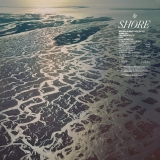
"This year has been so shitty. And while an album like Fetch the Bolt Cutters recognizes our turmoil and frustration, Shore is a great complement. This is a work of love, joy, and hope that has come at not a moment too soon. But even musically, it's making a strong claim as the best Fleet Foxes al..." [+] Reply
-  HoldenM | Helpful? (Log in to vote) | +11 votes (11 helpful | 0 unhelpful)
A maximum of 5 top-voted qualifying comments are selected for each album. To provide the best experience for visitors, comments are excluded if they refer to data corrections, contain excessive profanity, are written in all caps, are non-English, are too short, consist of conversations between users, or contain lists of best tracks etc.
HoldenM | Helpful? (Log in to vote) | +11 votes (11 helpful | 0 unhelpful)
A maximum of 5 top-voted qualifying comments are selected for each album. To provide the best experience for visitors, comments are excluded if they refer to data corrections, contain excessive profanity, are written in all caps, are non-English, are too short, consist of conversations between users, or contain lists of best tracks etc.
Year of Release:
2020
Appears in:
Rank Score:
2,061
Rank in 2020:
Rank in 2020s:
Overall Rank:
Average Rating:
Comments:

"(Warning: this comment is kinda long.) I'll be honest, this album took some time to grow on me, as I had some expectations about it before listening. But eventually, I came to appreciate it and thought that it was pretty solid. Around the end of 2018, I was a bit surprised to see this record very..." [+] Reply
-  sguy157 | Helpful? (Log in to vote) | +2 votes (2 helpful | 0 unhelpful)
A maximum of 5 top-voted qualifying comments are selected for each album. To provide the best experience for visitors, comments are excluded if they refer to data corrections, contain excessive profanity, are written in all caps, are non-English, are too short, consist of conversations between users, or contain lists of best tracks etc.
sguy157 | Helpful? (Log in to vote) | +2 votes (2 helpful | 0 unhelpful)
A maximum of 5 top-voted qualifying comments are selected for each album. To provide the best experience for visitors, comments are excluded if they refer to data corrections, contain excessive profanity, are written in all caps, are non-English, are too short, consist of conversations between users, or contain lists of best tracks etc.
Year of Release:
2018
Appears in:
Rank Score:
2,060
Rank in 2018:
Rank in 2010s:
Overall Rank:
Average Rating:
Comments:
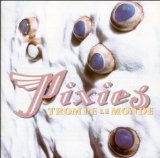
"While Doolittle and Surfer Rosa get a lot more attention from critics, I place Trompe le Monde right there alongside those two albums in my own Pixies pantheon. Probably the most important difference between Trompe le Monde and the Pixies' earlier work is the reduced role of Kim Deal, making this..." [+] Reply
-  buzzdainer | Helpful? (Log in to vote) | +4 votes (4 helpful | 0 unhelpful)
A maximum of 5 top-voted qualifying comments are selected for each album. To provide the best experience for visitors, comments are excluded if they refer to data corrections, contain excessive profanity, are written in all caps, are non-English, are too short, consist of conversations between users, or contain lists of best tracks etc.
buzzdainer | Helpful? (Log in to vote) | +4 votes (4 helpful | 0 unhelpful)
A maximum of 5 top-voted qualifying comments are selected for each album. To provide the best experience for visitors, comments are excluded if they refer to data corrections, contain excessive profanity, are written in all caps, are non-English, are too short, consist of conversations between users, or contain lists of best tracks etc.
Year of Release:
1991
Appears in:
Rank Score:
2,056
Rank in 1991:
Rank in 1990s:
Overall Rank:
Average Rating:
Comments:

"Sky Blue Sky was the soundtrack for a long drive through the Nevada desert on the way back from a somewhat challenging journey to climb Middle Sister, one of Nevada's seventeen county highpoints. We got lost several times trying to find the trailhead, had to ford several fairly significant creeks..." [+] Reply
- buzzdainer | Helpful? (Log in to vote) | +3 votes (3 helpful | 0 unhelpful)
A maximum of 5 top-voted qualifying comments are selected for each album. To provide the best experience for visitors, comments are excluded if they refer to data corrections, contain excessive profanity, are written in all caps, are non-English, are too short, consist of conversations between users, or contain lists of best tracks etc.
Year of Release:
2007
Appears in:
Rank Score:
2,051
Rank in 2007:
Rank in 2000s:
Overall Rank:
Average Rating:
Comments:


"I picked up guitar when I first heard In A Little While, and I haven't looked back since. I've always had a special place in my heart for this album for that reason, and I hope one day I can thank the Edge for changing my life." Reply
-  craola | Helpful? (Log in to vote) | +6 votes (6 helpful | 0 unhelpful)
A maximum of 5 top-voted qualifying comments are selected for each album. To provide the best experience for visitors, comments are excluded if they refer to data corrections, contain excessive profanity, are written in all caps, are non-English, are too short, consist of conversations between users, or contain lists of best tracks etc.
craola | Helpful? (Log in to vote) | +6 votes (6 helpful | 0 unhelpful)
A maximum of 5 top-voted qualifying comments are selected for each album. To provide the best experience for visitors, comments are excluded if they refer to data corrections, contain excessive profanity, are written in all caps, are non-English, are too short, consist of conversations between users, or contain lists of best tracks etc.
Year of Release:
2000
Appears in:
Rank Score:
2,050
Rank in 2000:
Rank in 2000s:
Overall Rank:
Average Rating:
Comments:

"First impressions: 1.Really like how all over the place the album is it feels like little fragments of Earl's psyche. 2. Instrumentals are extremely unique. 3. Earl continues to have one of the most assured flows of any rapper of his generation. 4. It is the perfect length based on how short the ..." [+] Reply
Year of Release:
2018
Appears in:
Rank Score:
2,049
Rank in 2018:
Rank in 2010s:
Overall Rank:
Average Rating:
Comments:
Total albums: 10,000. Page 85 of 1,000
Overall Chart composition
| Decade | Albums | % | |
|---|---|---|---|
| 1930s | 2 | 0% | |
| 1940s | 34 | 0% | |
| 1950s | 302 | 3% | |
| 1960s | 710 | 7% | |
| 1970s | 1,424 | 14% | |
| 1980s | 1,413 | 14% | |
| 1990s | 1,600 | 16% | |
| 2000s | 1,726 | 17% | |
| 2010s | 1,963 | 20% | |
| 2020s | 826 | 8% |
| Artist | Albums | % | |
|---|---|---|---|
|
|
|||
| Bob Dylan | 37 | 0% | |
| The Rolling Stones | 35 | 0% | |
| David Bowie | 32 | 0% | |
| The Beatles | 29 | 0% | |
| Miles Davis | 27 | 0% | |
| Neil Young | 26 | 0% | |
| Various Artists | 25 | 0% | |
| Show all | |||
| Country | Albums | % | |
|---|---|---|---|
|
|
|||
 |
5,004 | 50% | |
 |
2,655 | 27% | |
 |
431 | 4% | |
 |
336 | 3% | |
 |
221 | 2% | |
 |
157 | 2% | |
 |
134 | 1% | |
| Show all | |||
| Member Levels | |
|---|---|
| michelefarina | Level 3 |
| golrab67 | Level 2 |
| libbyshuss | Level 2 |
| New levels achieved over the last 7 days. Well done to all :) | |