Best Albums of 1967
Listed below are the best albums of 1967 as calculated from their overall rankings in over 58,000 greatest album charts. (Chart last updated: 3 hours ago).

"Disraeli Gears is Creams most solid album. The first four songs are excellent - two classics and two deep cuts. Second side starts strong with Tales of Brave Ulysses - one of the masterpieces, followed by SWABLR (She Walks Like a Bearded Rainbow) and the classic blues standard Outside Woman Blues..." [+] Reply
Year of Release:
1967
Appears in:
Rank Score:
6,053
Rank in 1967:
Rank in 1960s:
Overall Rank:
Average Rating:
Comments:

"Classic Californian rock. Surrealistic pillow, is a superb record. Released at the time when the psychedelic scene was in full swing, this album isn't quite as out there as their next record would be, in fact, surrealistic pillow, is just a damn good rock'n'roll record. Somebody to love, today, a..." [+] Reply
Year of Release:
1967
Appears in:
Rank Score:
5,631
Rank in 1967:
Rank in 1960s:
Overall Rank:
Average Rating:
Comments:

"This album is definitely underrated in so many ways. At the time it was released in 1967 it was groundbreaking and helped influence many other styles of music. The idea of including an orchestra is just genius. Hands down one of the best and most unique albums out there. Much fun to have with thi..." [+] Reply
Year of Release:
1967
Appears in:
Rank Score:
4,902
Rank in 1967:
Rank in 1960s:
Overall Rank:
Average Rating:
Comments:

"Alicia Keys, one of the most instantly recognizable voices of modern soul and blues, has said that she considers someone without an Aretha Franklin album only half a person. And if there is one Aretha album to own, this is the one. Obviously you know Aretha's iconic cover to Otis Redding's "Respe..." [+] Reply
-  buzzdainer | Helpful? (Log in to vote) | +5 votes (5 helpful | 0 unhelpful)
A maximum of 5 top-voted qualifying comments are selected for each album. To provide the best experience for visitors, comments are excluded if they refer to data corrections, contain excessive profanity, are written in all caps, are non-English, are too short, consist of conversations between users, or contain lists of best tracks etc.
buzzdainer | Helpful? (Log in to vote) | +5 votes (5 helpful | 0 unhelpful)
A maximum of 5 top-voted qualifying comments are selected for each album. To provide the best experience for visitors, comments are excluded if they refer to data corrections, contain excessive profanity, are written in all caps, are non-English, are too short, consist of conversations between users, or contain lists of best tracks etc.
Year of Release:
1967
Appears in:
Rank Score:
4,252
Rank in 1967:
Rank in 1960s:
Overall Rank:
Average Rating:
Comments:
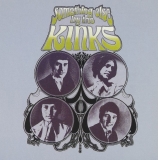
"Something else, is my favourite Kinks album. Everything that had been promised over the course of a brilliant run of singles, and almost achieved on preceding record, face to face, finally comes to fruition on a perfect LP. Something else, is the album where Ray Davies finally lands on his feet. ..." [+] Reply
Year of Release:
1967
Appears in:
Rank Score:
3,992
Rank in 1967:
Rank in 1960s:
Overall Rank:
Average Rating:
Comments:

"This album is an interesting case. Individually, I'm not a huge fan of any of the songs, but as a whole, it's an amazing listen." Reply
-  Fischman | Helpful? (Log in to vote) | +5 votes (6 helpful | 1 unhelpful)
A maximum of 5 top-voted qualifying comments are selected for each album. To provide the best experience for visitors, comments are excluded if they refer to data corrections, contain excessive profanity, are written in all caps, are non-English, are too short, consist of conversations between users, or contain lists of best tracks etc.
Fischman | Helpful? (Log in to vote) | +5 votes (6 helpful | 1 unhelpful)
A maximum of 5 top-voted qualifying comments are selected for each album. To provide the best experience for visitors, comments are excluded if they refer to data corrections, contain excessive profanity, are written in all caps, are non-English, are too short, consist of conversations between users, or contain lists of best tracks etc.
Year of Release:
1967
Appears in:
Rank Score:
3,444
Rank in 1967:
Rank in 1960s:
Overall Rank:
Average Rating:
Comments:

"Even on his first record the Captain exudes a well-rounded palette of contrasting emotions and styles. Compare the contemptuous misanthropic rejections on Dropout Boogie with the tender plebeian complacency on I'm Glad. Like Zappa, Beefheart seems to be utilizing popular genres in order to satiri..." [+] Reply
Year of Release:
1967
Appears in:
Rank Score:
3,438
Rank in 1967:
Rank in 1960s:
Overall Rank:
Average Rating:
Comments:


"Not bad, huh? The musos and scenesters may well opt for The Marble Index, and Nico may have later disowned it, but Chelsea Girl is a truly stunning LP. The opening triumverate of songs (Fairest Of The Seasons/These Days/Little Sister) are truly sublime - the missing link between the Velvets and N..." [+] Reply
-  Jimmy Dread | Helpful? (Log in to vote) | +11 votes (11 helpful | 0 unhelpful)
A maximum of 5 top-voted qualifying comments are selected for each album. To provide the best experience for visitors, comments are excluded if they refer to data corrections, contain excessive profanity, are written in all caps, are non-English, are too short, consist of conversations between users, or contain lists of best tracks etc.
Jimmy Dread | Helpful? (Log in to vote) | +11 votes (11 helpful | 0 unhelpful)
A maximum of 5 top-voted qualifying comments are selected for each album. To provide the best experience for visitors, comments are excluded if they refer to data corrections, contain excessive profanity, are written in all caps, are non-English, are too short, consist of conversations between users, or contain lists of best tracks etc.
Year of Release:
1967
Appears in:
Rank Score:
2,739
Rank in 1967:
Rank in 1960s:
Overall Rank:
Average Rating:
Comments:

"It's funny that most of the comments here allude to this being below par for Bob, and not on the same level as some of his other recordings. Personally I think that's absolute hogwash - this is Dylan at his very best; Dylan the mythologiser, Dylan the storyteller, Dylan the philosopher. Beginning..." [+] Reply
-  Skinny | Helpful? (Log in to vote) | +14 votes (15 helpful | 1 unhelpful)
A maximum of 5 top-voted qualifying comments are selected for each album. To provide the best experience for visitors, comments are excluded if they refer to data corrections, contain excessive profanity, are written in all caps, are non-English, are too short, consist of conversations between users, or contain lists of best tracks etc.
Skinny | Helpful? (Log in to vote) | +14 votes (15 helpful | 1 unhelpful)
A maximum of 5 top-voted qualifying comments are selected for each album. To provide the best experience for visitors, comments are excluded if they refer to data corrections, contain excessive profanity, are written in all caps, are non-English, are too short, consist of conversations between users, or contain lists of best tracks etc.
Year of Release:
1967
Appears in:
Rank Score:
1,972
Rank in 1967:
Rank in 1960s:
Overall Rank:
Average Rating:
Comments:
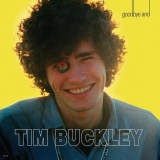
"I had a busy day of listening today. I had a half dozen albums to relisten to. This one included. And to be honest I just wasn't overwhelmingly excited about listening to Tim Buckley. He had never yet clicked with me. Meaning he had never really connected with me or illuminated for me some sort o..." [+] Reply
-  Mercury | Helpful? (Log in to vote) | +7 votes (7 helpful | 0 unhelpful)
A maximum of 5 top-voted qualifying comments are selected for each album. To provide the best experience for visitors, comments are excluded if they refer to data corrections, contain excessive profanity, are written in all caps, are non-English, are too short, consist of conversations between users, or contain lists of best tracks etc.
Mercury | Helpful? (Log in to vote) | +7 votes (7 helpful | 0 unhelpful)
A maximum of 5 top-voted qualifying comments are selected for each album. To provide the best experience for visitors, comments are excluded if they refer to data corrections, contain excessive profanity, are written in all caps, are non-English, are too short, consist of conversations between users, or contain lists of best tracks etc.
Year of Release:
1967
Appears in:
Rank Score:
1,959
Rank in 1967:
Rank in 1960s:
Overall Rank:
Average Rating:
Comments:
Total albums: 835. Page 2 of 84
Best Albums of 1967 composition
| Artist | Albums | % | |
|---|---|---|---|
|
|
|||
| Various Artists | 7 | 1% | |
| István Kertész / London Symphony Orchestra | 6 | 1% | |
| Donovan | 5 | 1% | |
| Aretha Franklin | 4 | 0% | |
| The Kinks | 4 | 0% | |
| The Hollies | 4 | 0% | |
| Sun Ra And His Myth Science Arkestra | 4 | 0% | |
| Show all | |||
| Country | Albums | % | |
|---|---|---|---|
|
|
|||
 |
468 | 56% | |
 |
130 | 16% | |
 |
27 | 3% | |
 |
19 | 2% | |
 |
18 | 2% | |
 |
18 | 2% | |
 |
17 | 2% | |
| Show all | |||
If you enjoy our site, please consider supporting us by sparing a few seconds to disable your ad blocker.
A lot of hard work happens in the background to keep BEA running, and it's especially difficult to do this when we can't pay our hosting fees :(
We work very hard to ensure our site is as fast (and FREE!) as possible, and we respect your privacy.
A lot of hard work happens in the background to keep BEA running, and it's especially difficult to do this when we can't pay our hosting fees :(
We work very hard to ensure our site is as fast (and FREE!) as possible, and we respect your privacy.