Best Albums of the 1970s
Listed below are the best albums of the 1970s as calculated from their overall rankings in over 58,000 greatest album charts. (Chart last updated: 1 hour ago).

"1 December 2013 "Blood On The Tracks". It's an album almost synonymous with maturity and the absolute expression of all the nuances of love and loss. It's an album that I notice I love more and more as my life ticks along. When I first heard it at the age of 12 I didn't get it. I didn't see what ..." [+] Reply
-  Mercury | Helpful? (Log in to vote) | +5 votes (5 helpful | 0 unhelpful)
A maximum of 5 top-voted qualifying comments are selected for each album. To provide the best experience for visitors, comments are excluded if they refer to data corrections, contain excessive profanity, are written in all caps, are non-English, are too short, consist of conversations between users, or contain lists of best tracks etc.
Mercury | Helpful? (Log in to vote) | +5 votes (5 helpful | 0 unhelpful)
A maximum of 5 top-voted qualifying comments are selected for each album. To provide the best experience for visitors, comments are excluded if they refer to data corrections, contain excessive profanity, are written in all caps, are non-English, are too short, consist of conversations between users, or contain lists of best tracks etc.
Year of Release:
1975
Appears in:
Rank Score:
20,322
Rank in 1975:
Rank in 1970s:
Overall Rank:
Average Rating:
Comments:

"One of the interesting things about this album is that it is punk while bearing many opposite qualities from what you traditionally associate with punk. Punk is thought of as short songs, aggressive, political, rudimentary, whereas Marquee Moon has a song approaching 11 minutes, is often laid-bac..." [+] Reply
-  colonelchibbers | Helpful? (Log in to vote) | +10 votes (10 helpful | 0 unhelpful)
A maximum of 5 top-voted qualifying comments are selected for each album. To provide the best experience for visitors, comments are excluded if they refer to data corrections, contain excessive profanity, are written in all caps, are non-English, are too short, consist of conversations between users, or contain lists of best tracks etc.
colonelchibbers | Helpful? (Log in to vote) | +10 votes (10 helpful | 0 unhelpful)
A maximum of 5 top-voted qualifying comments are selected for each album. To provide the best experience for visitors, comments are excluded if they refer to data corrections, contain excessive profanity, are written in all caps, are non-English, are too short, consist of conversations between users, or contain lists of best tracks etc.
Year of Release:
1977
Appears in:
Rank Score:
19,405
Rank in 1977:
Rank in 1970s:
Overall Rank:
Average Rating:
Comments:

"The Rolling Stones, shacked up in a French estate, dressed like pirates and loaded, produce a double album that reveals something new every time you listen to it. Maybe not my number one album ever, but without a doubt one of the coolest." Reply
Year of Release:
1972
Appears in:
Rank Score:
19,187
Rank in 1972:
Rank in 1970s:
Overall Rank:
Average Rating:
Comments:

"Fun album to listen. I don't find it inconsistent at all, every song in here contributes something to the album as a whole." Reply
-  Defago | Helpful? (Log in to vote) | +7 votes (7 helpful | 0 unhelpful)
A maximum of 5 top-voted qualifying comments are selected for each album. To provide the best experience for visitors, comments are excluded if they refer to data corrections, contain excessive profanity, are written in all caps, are non-English, are too short, consist of conversations between users, or contain lists of best tracks etc.
Defago | Helpful? (Log in to vote) | +7 votes (7 helpful | 0 unhelpful)
A maximum of 5 top-voted qualifying comments are selected for each album. To provide the best experience for visitors, comments are excluded if they refer to data corrections, contain excessive profanity, are written in all caps, are non-English, are too short, consist of conversations between users, or contain lists of best tracks etc.
Year of Release:
1971
Appears in:
Rank Score:
18,951
Rank in 1971:
Rank in 1970s:
Overall Rank:
Average Rating:
Comments:

"“In the morning, I’ll be alright my friend, but soon the night will bring the pain. Flying high in the friendly sky” What do you get when you combine the smoothest voice in the history of music with the greatest bass lines in the history of music, and hotbox a Motown studio full of marijuana? An ..." [+] Reply
-  corenfro | Helpful? (Log in to vote) | +10 votes (10 helpful | 0 unhelpful)
A maximum of 5 top-voted qualifying comments are selected for each album. To provide the best experience for visitors, comments are excluded if they refer to data corrections, contain excessive profanity, are written in all caps, are non-English, are too short, consist of conversations between users, or contain lists of best tracks etc.
corenfro | Helpful? (Log in to vote) | +10 votes (10 helpful | 0 unhelpful)
A maximum of 5 top-voted qualifying comments are selected for each album. To provide the best experience for visitors, comments are excluded if they refer to data corrections, contain excessive profanity, are written in all caps, are non-English, are too short, consist of conversations between users, or contain lists of best tracks etc.
Year of Release:
1971
Appears in:
Rank Score:
18,828
Rank in 1971:
Rank in 1970s:
Overall Rank:
Average Rating:
Comments:

"This is essential listening not only for the metal genre but for music in general as its importance in history is huge. The influence this album had is massive and it has the quality to back it up as well. Musically, it still sounds so fresh and exciting with side 1 being one of the strongest sid..." [+] Reply
Year of Release:
1970
Appears in:
Rank Score:
18,652
Rank in 1970:
Rank in 1970s:
Overall Rank:
Average Rating:
Comments:

"There's a certain beauty to this album that is inescapable. It has no gimmicks to it, just Drake alone on his acoustic guitar. It's an atmospheric and ethereal record that I will be returning to for a while." Reply
Year of Release:
1972
Appears in:
Rank Score:
17,142
Rank in 1972:
Rank in 1970s:
Overall Rank:
Average Rating:
Comments:

"Whereas Exile is chaotic and unrestrained, Sticky Fingers is remarkably disciplined for an album this raunchy and soaked in sin." Reply
Year of Release:
1971
Appears in:
Rank Score:
16,562
Rank in 1971:
Rank in 1970s:
Overall Rank:
Average Rating:
Comments:

"Pitchfork called this the best album of the '70s, a move I thought was pretty dubious until I got around to spinning Low half a dozen times on a long bus ride home from college. Low manages to embody the depth of absolute melancholy through manifestations vocal and instrumental, brash and serene;..." [+] Reply
Year of Release:
1977
Appears in:
Rank Score:
16,498
Rank in 1977:
Rank in 1970s:
Overall Rank:
Average Rating:
Comments:
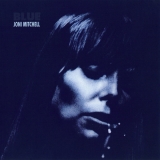
"There are a few words used to describe music that typically indicate I won't like it. Sparse, intimate, and voice-driven are some of them. And all three of them describe this album perfectly - as others have said, it is the sound of an artist laying their life bare with songs reflecting over thei..." [+] Reply
-  babyBlueSedan | Helpful? (Log in to vote) | +8 votes (8 helpful | 0 unhelpful)
A maximum of 5 top-voted qualifying comments are selected for each album. To provide the best experience for visitors, comments are excluded if they refer to data corrections, contain excessive profanity, are written in all caps, are non-English, are too short, consist of conversations between users, or contain lists of best tracks etc.
babyBlueSedan | Helpful? (Log in to vote) | +8 votes (8 helpful | 0 unhelpful)
A maximum of 5 top-voted qualifying comments are selected for each album. To provide the best experience for visitors, comments are excluded if they refer to data corrections, contain excessive profanity, are written in all caps, are non-English, are too short, consist of conversations between users, or contain lists of best tracks etc.
Year of Release:
1971
Appears in:
Rank Score:
15,864
Rank in 1971:
Rank in 1970s:
Overall Rank:
Average Rating:
Comments:
Total albums: 1,000. Page 2 of 100
Best Albums of the 1970s composition
| Year | Albums | % | |
|---|---|---|---|
| 1970 | 110 | 11% | |
| 1971 | 99 | 10% | |
| 1972 | 97 | 10% | |
| 1973 | 112 | 11% | |
| 1974 | 94 | 9% | |
| 1975 | 97 | 10% | |
| 1976 | 89 | 9% | |
| 1977 | 93 | 9% | |
| 1978 | 106 | 11% | |
| 1979 | 103 | 10% |
| Artist | Albums | % | |
|---|---|---|---|
|
|
|||
| David Bowie | 11 | 1% | |
| Yes | 9 | 1% | |
| Genesis | 9 | 1% | |
| Miles Davis | 8 | 1% | |
| Electric Light Orchestra | 8 | 1% | |
| Pink Floyd | 8 | 1% | |
| AC/DC | 8 | 1% | |
| Show all | |||
| Country | Albums | % | |
|---|---|---|---|
|
|
|||
 |
388 | 39% | |
 |
373 | 37% | |
 |
43 | 4% | |
 |
39 | 4% | |
 |
38 | 4% | |
 |
20 | 2% | |
 |
20 | 2% | |
| Show all | |||
If you enjoy our site, please consider supporting us by sparing a few seconds to disable your ad blocker.
A lot of hard work happens in the background to keep BEA running, and it's especially difficult to do this when we can't pay our hosting fees :(
We work very hard to ensure our site is as fast (and FREE!) as possible, and we respect your privacy.
A lot of hard work happens in the background to keep BEA running, and it's especially difficult to do this when we can't pay our hosting fees :(
We work very hard to ensure our site is as fast (and FREE!) as possible, and we respect your privacy.